Meth Testing for Insurers & Recovered Stolen Vehicles
Independent methamphetamine surface testing for insurers, assessors and owners of recovered stolen vehicles. Surface sampling, laboratory analysis and defensible reporting — powered by EnviroCheck Forensics Limited.

MethShield Auto™
Powered by EnviroCheck
Independent Evidence for Vehicle Meth Contamination Insurance Decisions
When a vehicle is stolen and later recovered, the question of whether it has been used to handle or manufacture methamphetamine can become central to an insurance claim. Stolen car meth contamination is a recognised issue — and a stolen car meth test is often the only way to confirm whether a recovered vehicle is contaminated. EnviroCheck provides independent recovered vehicle meth testing designed to support insurers, assessors, repairers and owners — establishing whether methamphetamine residue is present before the next decision is made.
Our approach is methodical and conflict-free. EnviroCheck does not carry out remediation, so our findings serve the assessment — not a downstream clean-up invoice. For insurers managing recovered stolen car testing and vehicle contamination testing, that independence matters.
Interpreting results: Results must be interpreted in the context of the vehicle, the surfaces sampled, the sampling method and the purpose of the assessment. A detected level is not, on its own, a determination of use, manufacture or criminal activity.
MethShield Auto Vehicle Meth Testing Calculator
Explore approximate vehicle meth contamination and modelled smoke-dose equivalents using your laboratory test result.
1. Select your vehicle category
Choose the vehicle type that best matches yours.
2. Enter your laboratory methamphetamine result
Use a laboratory measurement expressed in µg/100 cm².
3. Calculation results
Enter a laboratory result above to see your calculation.
Important Notice
Vehicle sizes and interior volumes can vary between makes and models. Calculations are approximate and subject to a margin of error. Results are estimates only and should not be treated as confirmed contamination levels.
This vehicle meth testing calculator helps you interpret car meth test results from a New Zealand laboratory. Enter your methamphetamine testing vehicles result in µg/100 cm² to explore modelled vehicle meth contamination and approximate smoke-dose equivalents for your specific vehicle category.
Built for the Insurance & Assessment Sector
Insurers
Independent laboratory-aligned surface sampling to support claim decisions on recovered stolen vehicles and suspected contamination events.
Independent Assessors
Defensible sampling and reporting to confirm or rule out methamphetamine residue before a vehicle is repaired, returned or written off.
Repairers & Fleet Operators
Post-cleaning verification testing to confirm a decontamination process has reduced residue to an acceptable level before rehandover.
Vehicle Owners
Clear, independent evidence of contamination status for a recovered vehicle — supporting insurance claims and peace of mind.
A Methodical, Defensible Process
Every insurance vehicle assessment follows the same structured process — so results are reproducible and the report stands up to scrutiny.
Instruction & Scoping
We confirm the purpose of the assessment, the vehicle history and the surfaces of concern before any sampling is carried out.
Surface Sampling
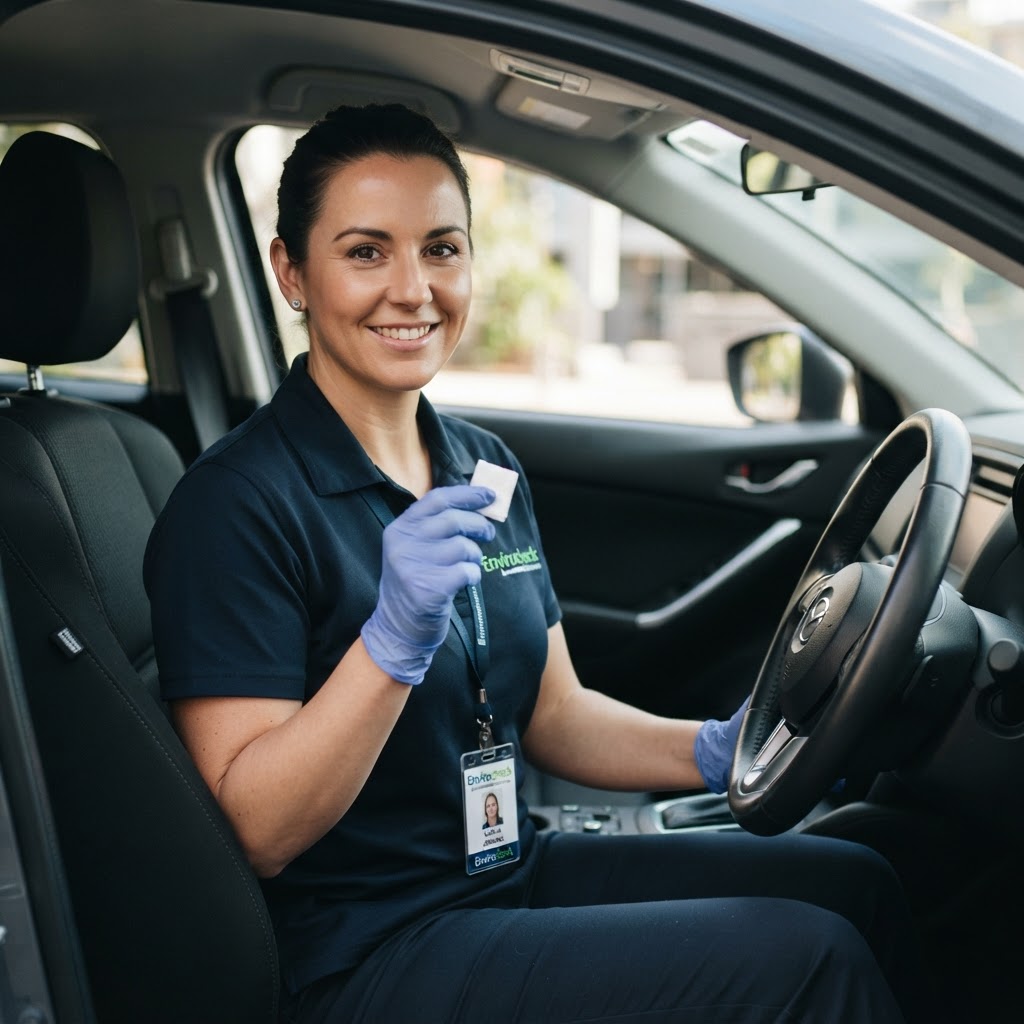
Methodical surface wipe sampling of dashboards, centre consoles, steering columns, seats, door panels, carpets and air conditioning systems.
Laboratory Analysis
Samples are submitted to an accredited laboratory for methamphetamine analysis, with results reported against the sampling method used.
Independent Reporting
A clear written report sets out what was sampled, how, and what the results mean — interpreted in context, not in isolation.
When to Request Vehicle Meth Testing
- A stolen vehicle has been recovered and an insurer needs to confirm contamination status before repair or settlement — recovered vehicle meth testing provides the evidence.
- A vehicle has been in the possession of an unauthorised person and the owner or insurer requires evidence of condition.
- Post-cleaning vehicle meth testing is needed to verify a decontamination process has been effective.
- A meth contaminated vehicle is being assessed for total-loss or repair decisions.
- A fleet operator requires documented baseline testing after a vehicle has been off-site or in unknown hands.
Surfaces Commonly Sampled
Sampling locations are selected based on the vehicle, its history and the purpose of the assessment.
Insurance Company Enquiry
Tell us about the vehicle and the assessment required. We'll respond within the business day.
Stolen Vehicle Meth Testing FAQs
Are stolen vehicles often meth contaminated?
Stolen car meth contamination is a recognised issue in New Zealand. When a vehicle is stolen and later recovered, there is a real possibility it has been used to handle or consume methamphetamine during the period it was missing. Major NZ insurers now cover meth contamination in stolen cars, and independent testing is the only reliable way to confirm whether a recovered stolen vehicle is contaminated before it is repaired, returned or settled.
How soon after a stolen vehicle is recovered should meth testing be done?
Recovered vehicle meth testing should be arranged as soon as possible after the vehicle is recovered — and before any repairs, cleaning or rehandover takes place. Once a vehicle is cleaned or detailed, surface residue that would have been detectable may be disturbed or removed, making it harder to establish whether contamination occurred. Early testing preserves the evidence and supports the insurance claim.
Do insurance companies require meth testing for recovered stolen vehicles?
An increasing number of insurers require or request independent vehicle meth contamination insurance testing before settling a claim on a recovered stolen vehicle. A documented test result gives the insurer defensible evidence of the vehicle's condition — confirming or ruling out methamphetamine residue before a repair, write-off or return decision is made. EnviroCheck provides independent, conflict-free testing and does not carry out remediation, so findings serve the assessment.
What surfaces are sampled when testing a recovered stolen vehicle?
Surface wipe sampling typically covers the steering wheel and column, centre console and gear selector, dashboard and instrument panel, seats and headrests, door panels and armrests, carpets and floor mats, headliner and sun visors, and air conditioning vents and ducting. Sampling locations are selected based on the vehicle, its history and the purpose of the assessment. Samples are submitted to an accredited laboratory for methamphetamine analysis.
How do meth test results support an insurance claim?
A stolen car meth test produces a written report documenting what was sampled, how, and what the laboratory results mean. For insurers and assessors, this is defensible evidence of the vehicle's contamination status — supporting decisions to repair, write off, or return the vehicle. For vehicle owners, an independent test provides clear evidence for the claim and peace of mind about the vehicle's condition before it is used again.
Can MethShield Auto™ deterrence prevent vehicle meth contamination?
MethShield Auto™ is a patent-pending deterrent system designed to help prevent vehicle meth contamination before it occurs. The visible deterrent sticker signals that a vehicle is monitored and tested, aiming to deter meth use inside it. While no deterrent can guarantee a vehicle stays contamination-free, combining MethShield Auto™ deterrence with baseline testing creates a structured crime-prevention programme — not just a one-off test.
Recovered Vehicle FAQs
Straight answers on what a test of a recovered stolen vehicle can and cannot show.
Is a recovered stolen vehicle automatically contaminated?
No. Most recovered vehicles are not contaminated. The point of testing is that nobody, including the assessor, can tell from looking. A vehicle can be recovered with a spotless interior and still carry residue on the driver's side surfaces, or be visibly untidy with nothing present.
Should the vehicle be cleaned before it is tested?
No. Cleaning and valeting remove or redistribute the residue that sampling is trying to measure. Test first, clean second. If a groomer has already been through the vehicle, record that, because it changes what the result can be taken to mean.
What does an insurer or assessor need from a recovered vehicle test report?
A documented sampling plan, a record of the surfaces sampled and their measured areas, laboratory analysis of each sample, the result per surface with the limit of detection stated, and a report explaining what those numbers mean. Chain of custody from sampling through to report should be traceable.
Can testing establish when the contamination happened?
No. A surface wipe result shows what is present on the day of sampling. It cannot date the event or attribute it to a particular person or period. Where pre-existing versus post-theft contamination matters, the report should say plainly that this cannot be determined from residue alone.
Is there a legal threshold a vehicle has to meet?
No. New Zealand has no legal methamphetamine threshold for vehicle cabins. The figures commonly cited come from NZS 8510:2017, which was written for residential buildings. Reporting against it as though it were a vehicle standard misrepresents what the evidence shows.
Does EnviroCheck decontaminate vehicles?
No. We test only. We do not sell cleaning, decontamination or remediation, so a report from us carries no incentive to find contamination and no commercial interest in the next step.